

In today’s cigar culture, we tend to think about blenders in terms of their best work. We gush with praise when they release a masterpiece, and deservedly so. We fawn over the clean lines and elaborate artwork and get caught up in the romance of the blend’s story. When the cigar meets or exceeds our expectations, we take it as proof of the blender’s skill.
That’s not at all wrong.
There’s nothing quite like the sublime pleasure of smoking a truly great cigar. When you do, how could you not appreciate what the blender accomplished? Blenders have become rock stars in the industry and built their reputations on their best work.
But as I’ve delved deeper into the industry, befriended several blenders, and started to understand the numerous decisions that go into bringing a blend to life, how I measure a blender’s skill has changed significantly. And it boils down to a single question.
What can a blender accomplish under constraint?
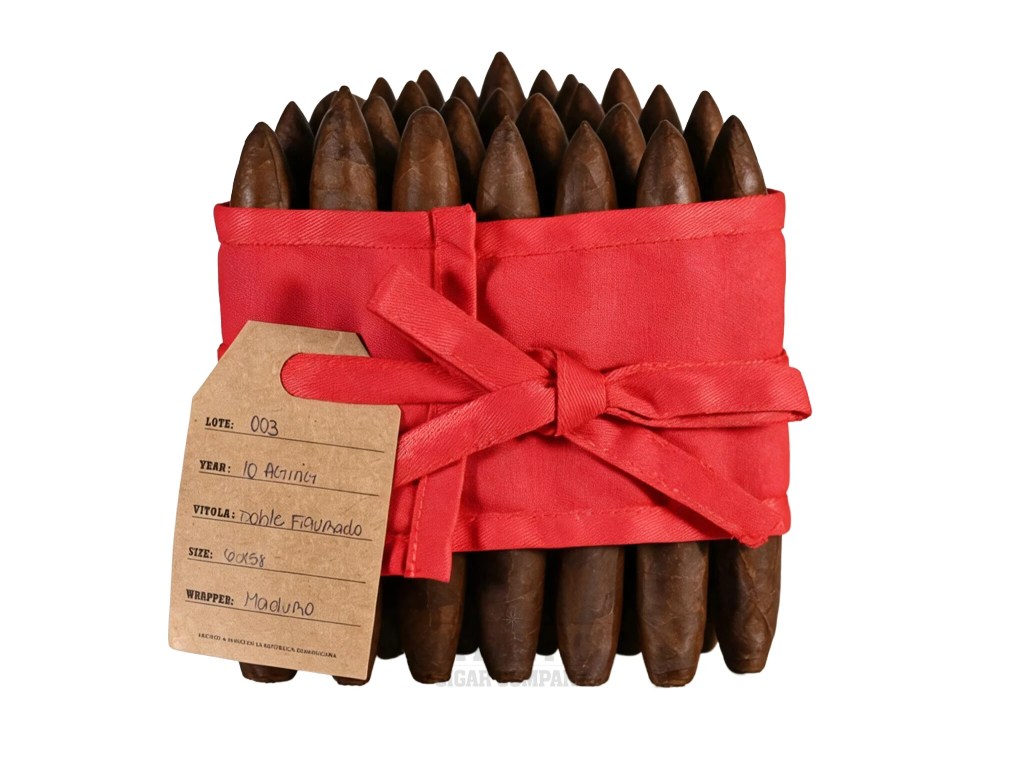
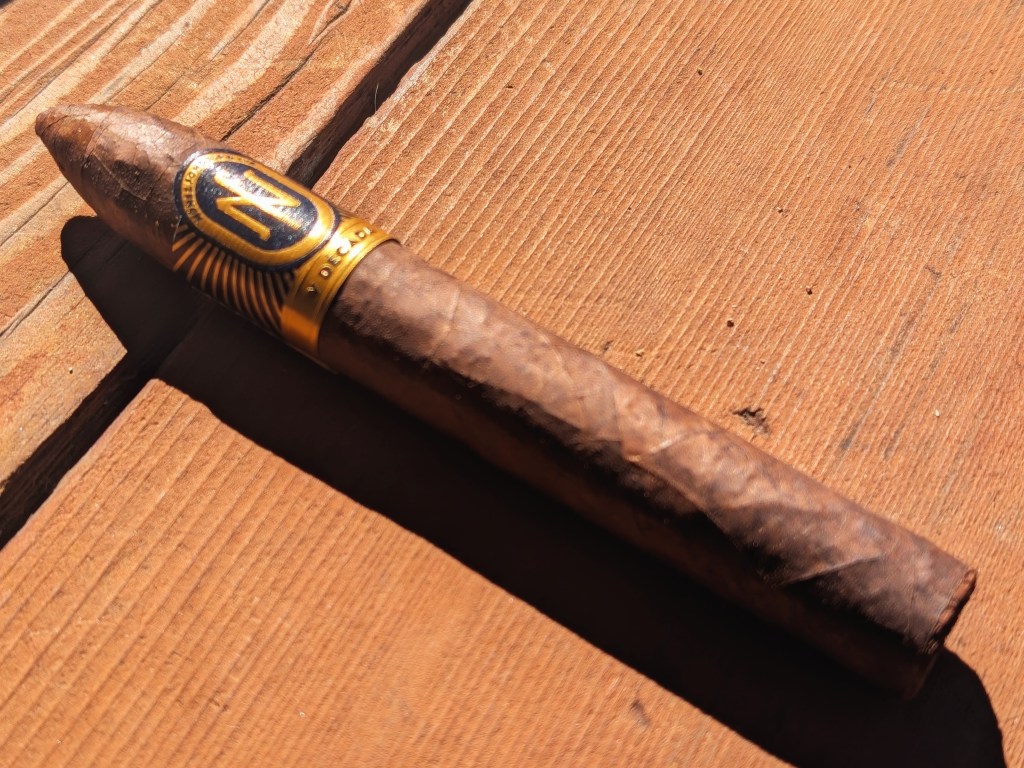
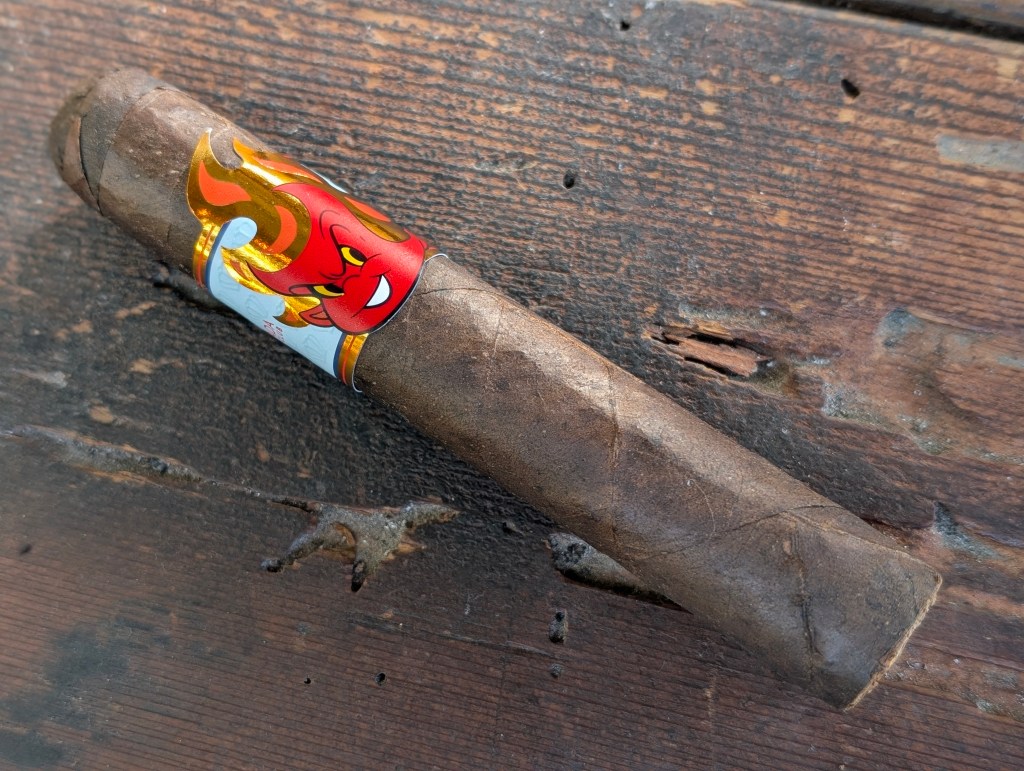
As I write this, I’m smoking a Paul Stulac Post Script Habano. Earlier this morning, I smoked a Miami Humidor Bundle Maduro. Both were produced at Guillermo Peña’s Las Villas Cigar Factory. Guillermo collaborated with Paul Stulac on the Post Script and blended the Miami Humidor Maduro. These are “cheap” bundle cigars. The Post Script sells for $5 a stick, while the MH Maduro costs just over $2.
But here’s the thing: both of these sticks are excellent.
Neither is going to win a beauty contest. And as expected from an especially cheap bundle cigar, the MH Maduro had some minor construction issues. But their delicious flavor profiles and the overall experiences they provide clearly demonstrate Guillermo’s skill as a blender.
Think about it. Producing these cigars requires operating under constraint, especially when it comes to the grade of tobacco used to construct them. At these prices, the blends aren’t constructed with the same grade of tobacco that goes into an ultra-premium cigar like an Atabey or OpusX.
Given that constraint, the challenge is to create something meaningful and delicious with limited resources.
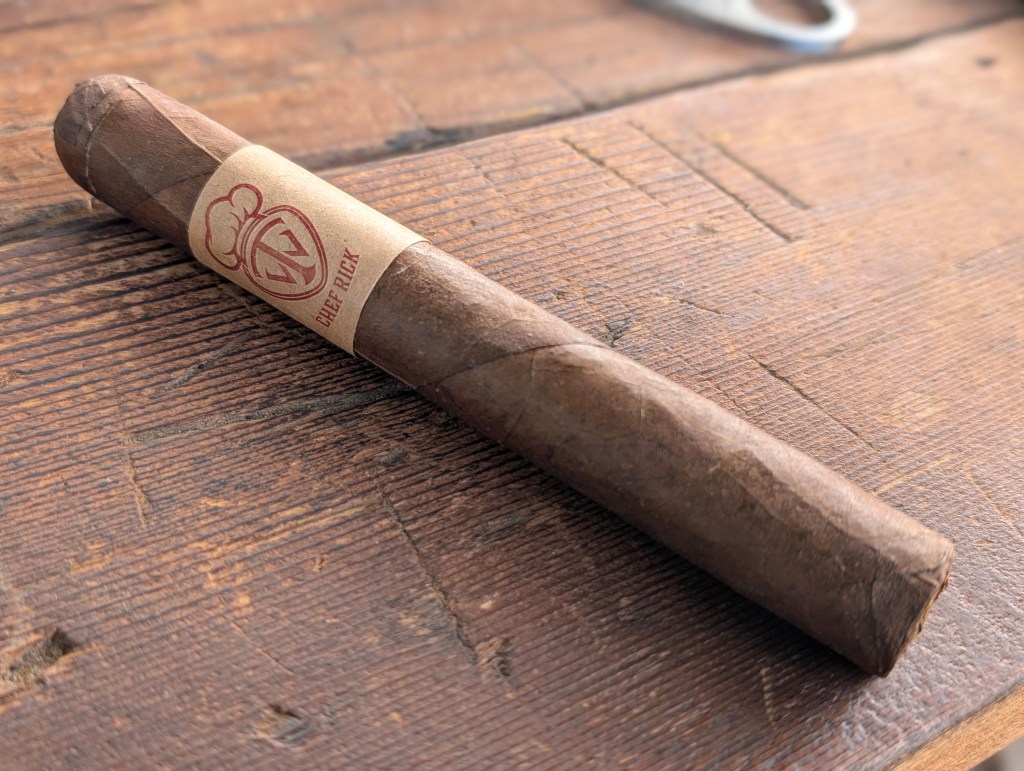
Here’s another example. Last night while hanging out with Luis Barragan of Dunamis Cigars, we spoke about the tobacco used in the Dominion, a blend he developed in collaboration with Raul Lanuza. Here’s a little peek under the covers.
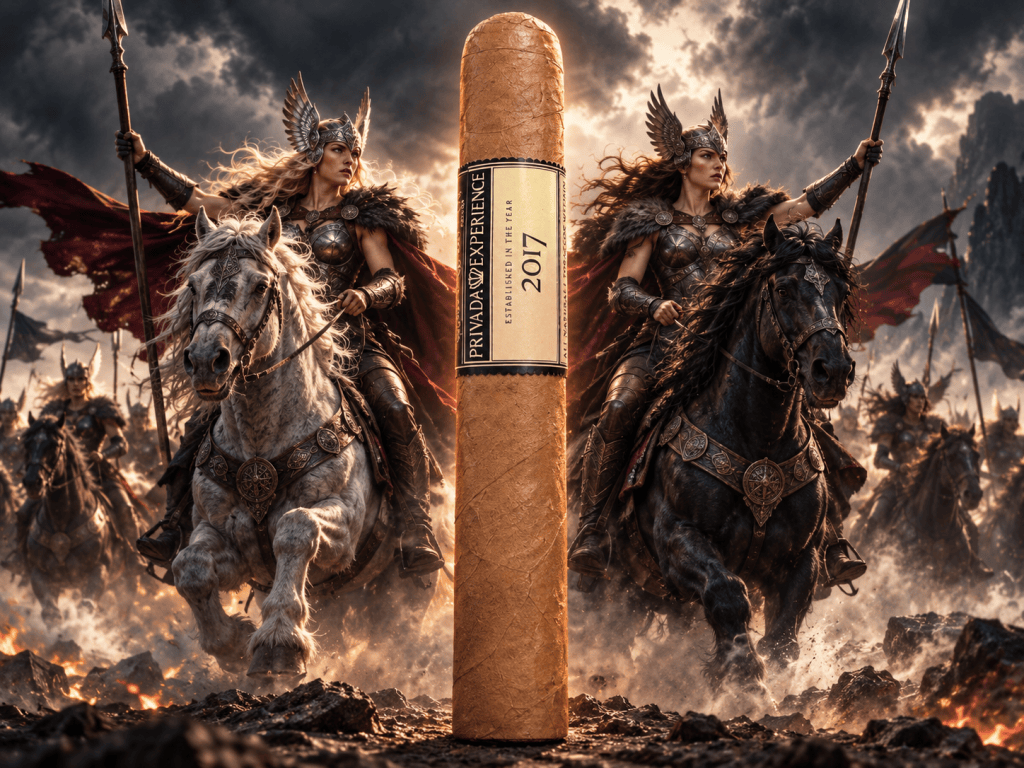
Early in the blend development process, they considered using Raul’s signature ultra-fermented Cameroon Negro wrapper leaf. According to Luis, Raul later told him that the leaf was no longer available because it had to be reserved for what ultimately became Privada’s soon-to-be-released Killer Cameroon.
Instead, they decided to use a deeply fermented Maduro wrapper. The result? A killer cigar that still expressed Luis’ intent behind the blend. He shared that he would have preferred the additional power the Cameroon Negro wrapper would have provided, but the finished cigar came close enough to his original vision.
That’s another form of constraint. The tobacco a blender wants to use isn’t always the tobacco he can use. In this case, Raul and Luis had to find another way to preserve Luis’ intent without the leaf they originally considered.
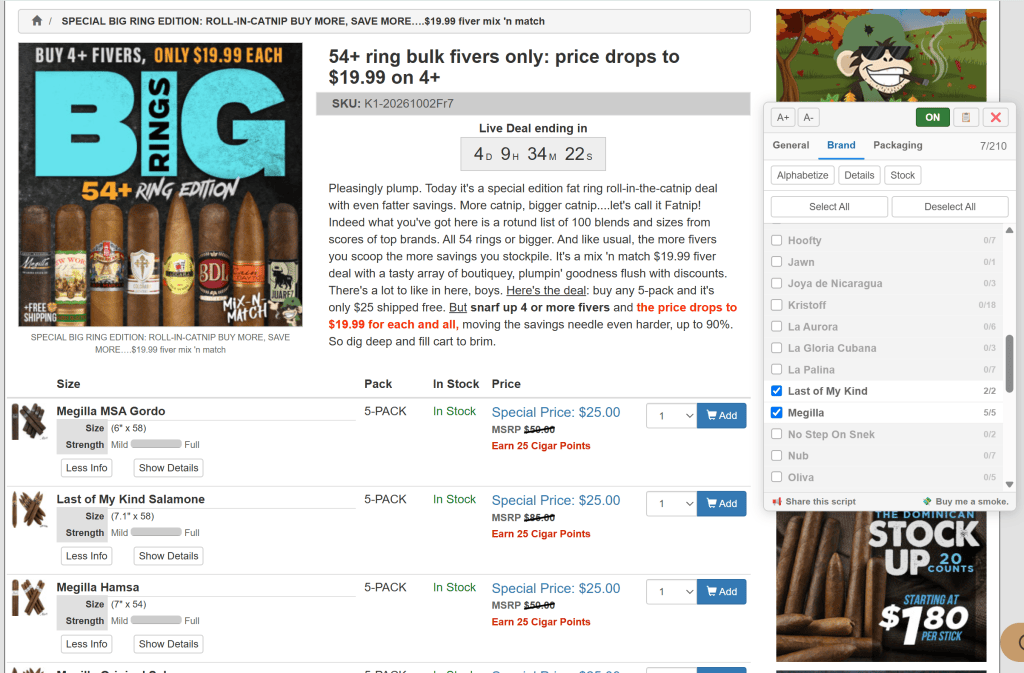
Then there’s Raymond Pages and his Cigar Page work.
People might think of him as the King of the Cheap Cigar. But look at what he has accomplished.
Megilla. Your Mom. Antihero. Penn Standard. Those are only a few of the many blends Pages has created for Cigar Page, and I rated every one of them 90 or higher. Each probably came with a pricing target that limited his tobacco options and shaped his decisions. Yet he has produced distinct, excellent cigars within those limits.
The breadth of that work is what makes it so remarkable. Across an enormous catalog of inexpensive blends, Pages has consistently delivered.
“King of the Cheap Cigar” might sound like a backhanded compliment until you consider how much skill it takes to earn that title. Repeatedly.
As smokers, we only encounter the finished cigars. We don’t see how pricing targets limit tobacco choices or the decisions that follow when a desired leaf is no longer available. We light the cigar and judge the result.
The constraints in these examples were different. Guillermo had to create an excellent experience with inexpensive tobacco. Raul and Luis had to replace a leaf they wanted without losing the intent of the Dominion. Pages has produced excellent cigars across an enormous catalog, each likely shaped by its own pricing target. In all three cases, the constraints demanded decisions that still produced a favorable result.
That’s the demonstration of skill I’ve come to appreciate.
Blending isn’t only about what someone can create with exceptional tobacco under favorable conditions. It’s also about what they can accomplish when the tobacco, pricing, and availability impose limits.
So yes, admire the masterpieces. I certainly do.
But if you really want to measure a blender’s skill, look at the lowest common denominator. Smoke the cheapest cigar they make. Look at what they accomplished with the resources they had and the decisions those limitations forced them to make.
Their best work may build their reputation. Their cheapest cigar may tell you how they earned it.




Leave a comment