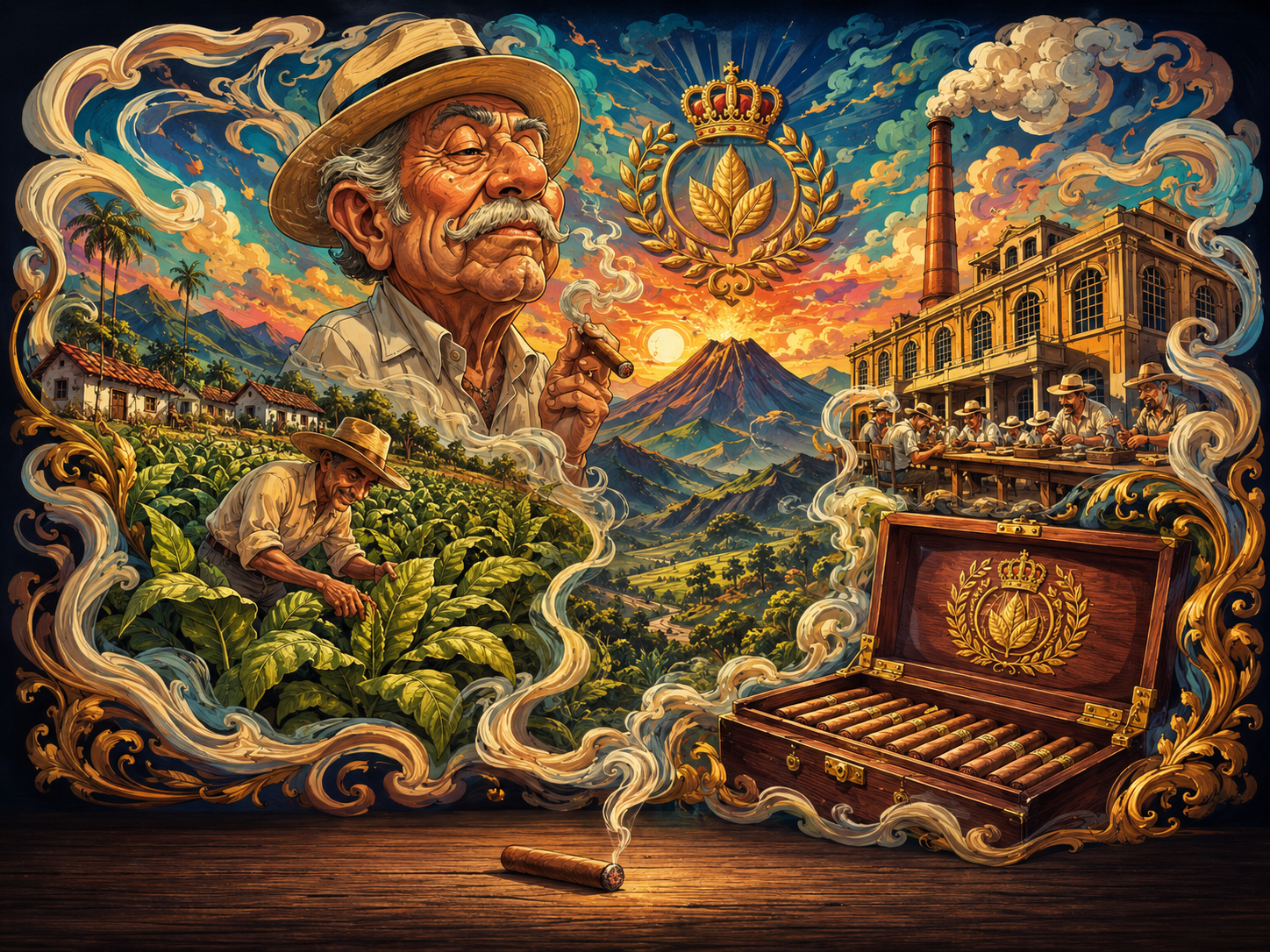
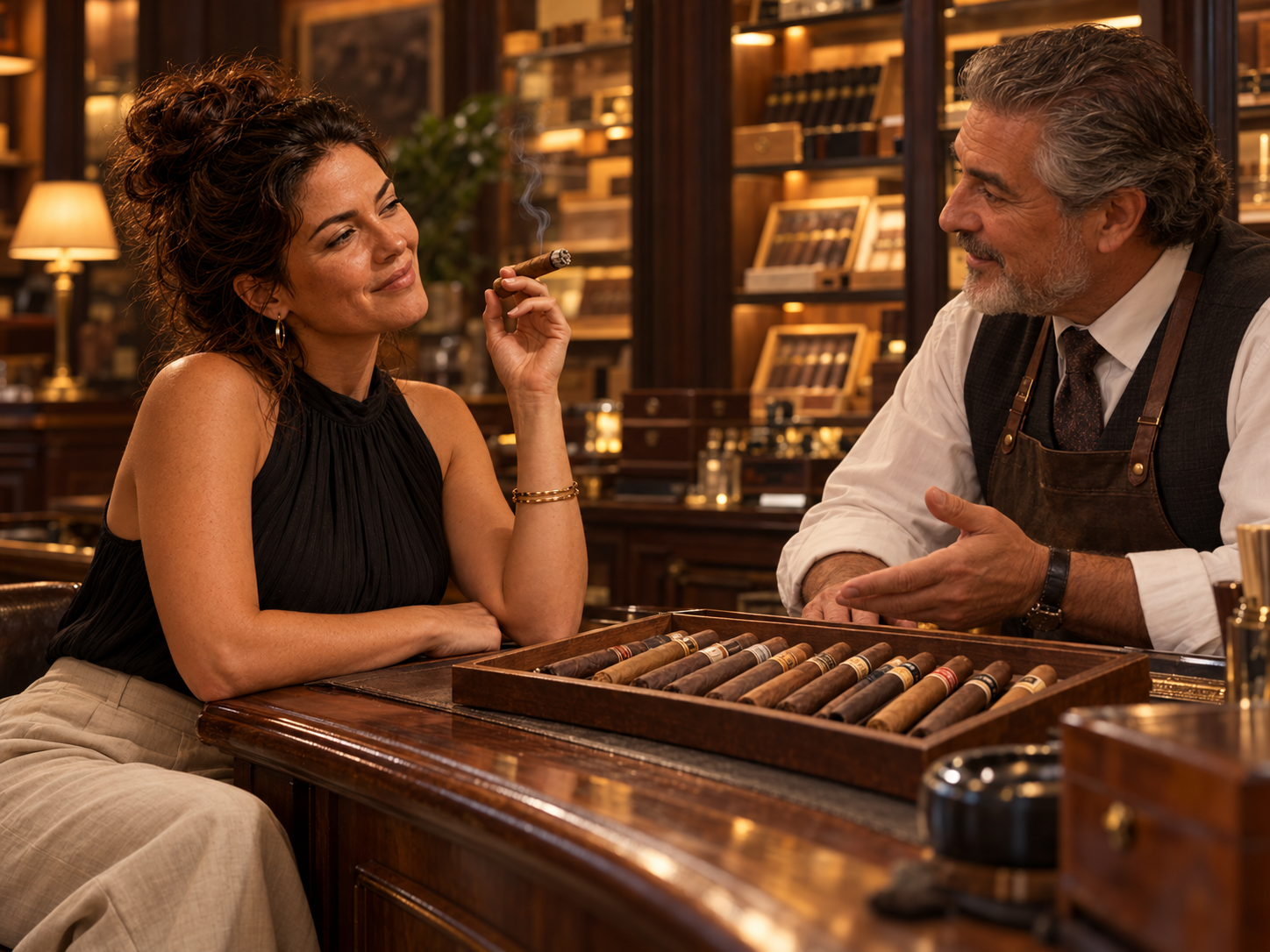
Storytelling is part of cigar culture. Some stories are real. Some are inherited. Some are earned over decades. Others are assembled in a marketing meeting and sprinkled with just enough tobacco language to sound serious. The stories are designed to surround the brand with a romantic aura.
That romance is part of the attraction.
“Made from leaves harvested from the rich volcanic soils of Estelí.”
“Inspired by my grandfather, who married into a family who were friends with a prominent Dominican family, whose foreman’s ancestry comes from a long line of growers whose hands helped shape cigars as we know them today.”
We get caught up in it.
That’s part of the fun because let’s face it. There are thousands of different cigar brands to choose from. And a good story can capture our interest.
But sometimes, the story is bigger than the cigar.
That doesn’t mean storytelling is bad. Fuente has a story. Padrón has a story. Meerapfel has a story. Davidoff has a story. Eladio Díaz has a story. Foundation has a story.
The difference is that their stories are attached to evidence: tobacco, production, continuity, identity, and market trust.
The problem begins when the story arrives before the evidence.
A new brand launches with a sweeping origin myth, luxury positioning, family legacy, hand-selected tobacco, small-batch language, and enough reverence to make the cigar sound like it was rolled by monks under a full moon. Then you start asking basic questions.
Who blended it?
Where is it made?
Who controls the tobacco?
What role did the founder actually play?
Is this an original blend, or is it a factory offering dressed in a custom band?
What makes this cigar belong to this brand?
Those questions matter because cigars aren’t luxuries by declaration. They become meaningful through authorship, repetition, and trust. A band can look expensive. A box can look beautiful. A founder can talk about passion and history all day long. But once the cigar is lit, the smoke has to live up to the story.
That’s where some brands lose the plot.
When I wrote “Boutique Blenders I Pay Attention To,” the common thread between them was authorship. Their cigars feel directed. When you smoke them, you can feel intent behind the blend. More than that, they’re all transparent about where their cigars are made.
That brings us to the dirty little secret of boutique cigars.
Contract manufacturing doesn’t always work the way smokers imagine it works.
The romantic version is simple. A founder walks into a factory with a vision. They describe the experience they want to create. The factory pulls rare tobaccos from deep aging rooms, rolls test blends, adjusts primings, tweaks proportions, and slowly builds the cigar around their idea.
Sometimes that happens.
But often, especially with new boutique brands, the process is much more practical. The brand owner tells the factory what they want, and the factory shows them what’s closest to that request based on what they have on hand, the blends they already know how to make, and the production realities they’re already working within.
Though it’s an oversimplification, the brand essentially picks from a list.
This is where the story becomes bigger than the cigar.
The brand may own the story. But the factory owns the cigar.
That isn’t necessarily a bad thing, but it raises real questions about identity, consistency, and continuity.
Identity comes first. If the cigars are selected from what a factory can already provide, do the lines actually share a central brand identity? Or are they simply a group of unrelated cigars wearing the same band?
Because that happens.
That’s not a portfolio. That’s a family photo where everyone has a different last name.
Consistency is the next concern. If the cigars are built around what’s available, consistency across blends and future runs may suffer.
Continuity may be the biggest question. What happens when the tobacco, blend, or production slot that made the cigar possible is gone? Is the brand able to reproduce the cigar with intent, or does it have to accept whatever the factory can approximate next?
Some brands have managed to avoid naming their factories and still build real credibility. For years, Definition Cigars didn’t publicly name the factories they worked with. But what wasn’t obvious from the outside was Jamond Hackley’s deep involvement in the production process.
That made all the difference in the world.
Factory transparency matters, but authorship matters more. If a brand doesn’t name the factory, then it needs to show me authorship in another way. The cigars need to feel directed. The portfolio needs to make sense. The founder needs to demonstrate real involvement beyond preference, passion, and packaging.
Otherwise, all that mystery starts looking less like strategy and more like cover.
And once that happens, the story stops framing the cigar.







Leave a Reply