
Cirque du Soleil Comes to Town
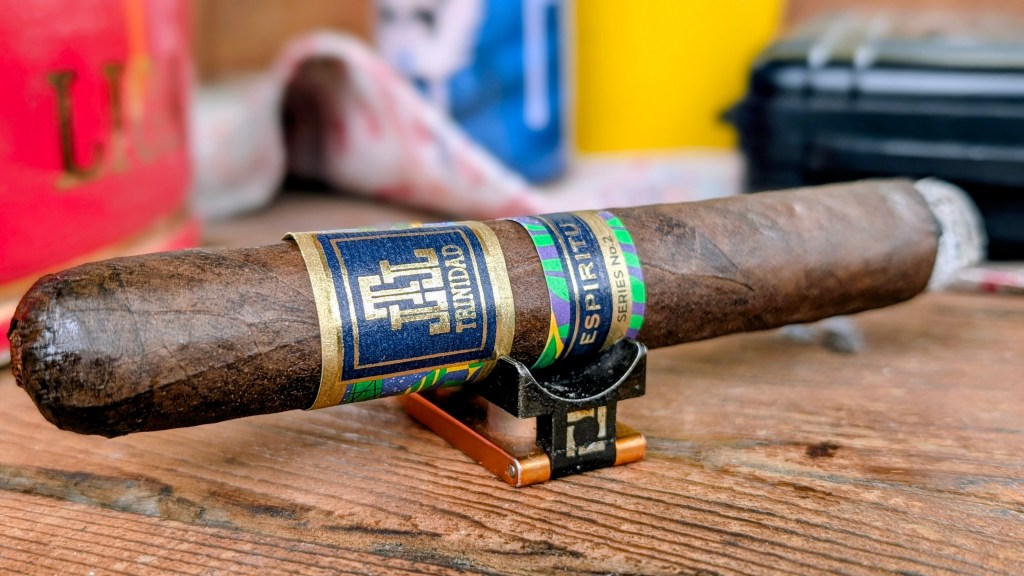
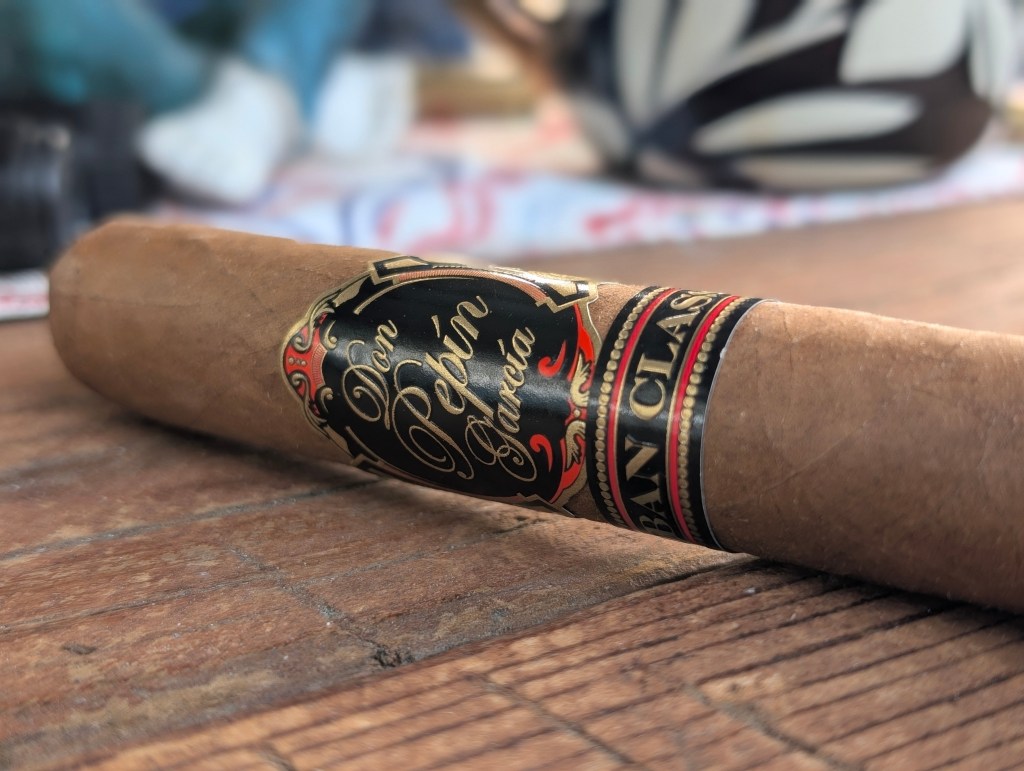
Wrapper: Brazilian Arapiraca
Binder: Nicaraguan
Filler: Nicaraguan and Brazilian
Size: Toro (6 x 54)
Strength: Medium → Full (home stretch)
Body: Medium-Plus → Full (home stretch)
Price: $10.90–$12.89 per single; $166.95–$231.95 per box of 20; $55.00 per 10-pack at Atlantic Cigar, United States, USD (varies by retailer)
Factory: Tabacalera AJ Fernandez, Nicaragua
Blender: Rafael Nodal and AJ Fernandez
Release: February 2021 (Regular Production)
Smoking Time: 1:15-1:30
Experience Rating: 96
When I first smoked this cigar, I likened it to smoking a La Gloria Cubana stick. Not very complex, but so enjoyable that it earned a place in my regular rotation. But every time I finished one, something stayed with me. There was a lingering sense that I had missed something—that what I experienced and what I understood didn’t quite line up.
To be clear, I didn’t have any urgency to figure it out. I knew I liked it, and that was enough. This has been a cigar I’ve enjoyed from the start, without needing to explain it. But this morning, I lit one up and decided to sit with it to understand what it was doing that kept me coming back.
What I discovered was this:
The cigar is incredibly complex.
I just had to sit with it long enough to understand how it behaves.
Synopsis
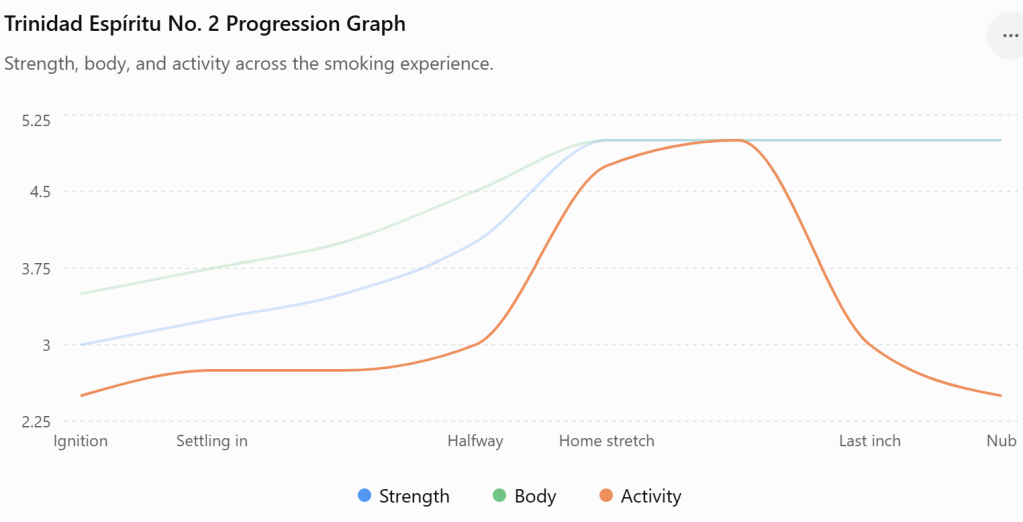
The graph shows a cigar that builds its force and weight steadily, while holding Activity in reserve until late. Strength rises from medium at ignition to full by the home stretch, and Body follows a similar climb, reaching full at the same point and staying there through the nub. Activity behaves differently. It remains relatively contained through the first half, nudges upward at halfway, then surges sharply through the home stretch and last couple of inches before falling back in the final inch and nub. The result is a cigar whose physical presence keeps climbing and never retreats, while its most animated movement arrives late, peaks hard, and then resolves back into the underlying structure.
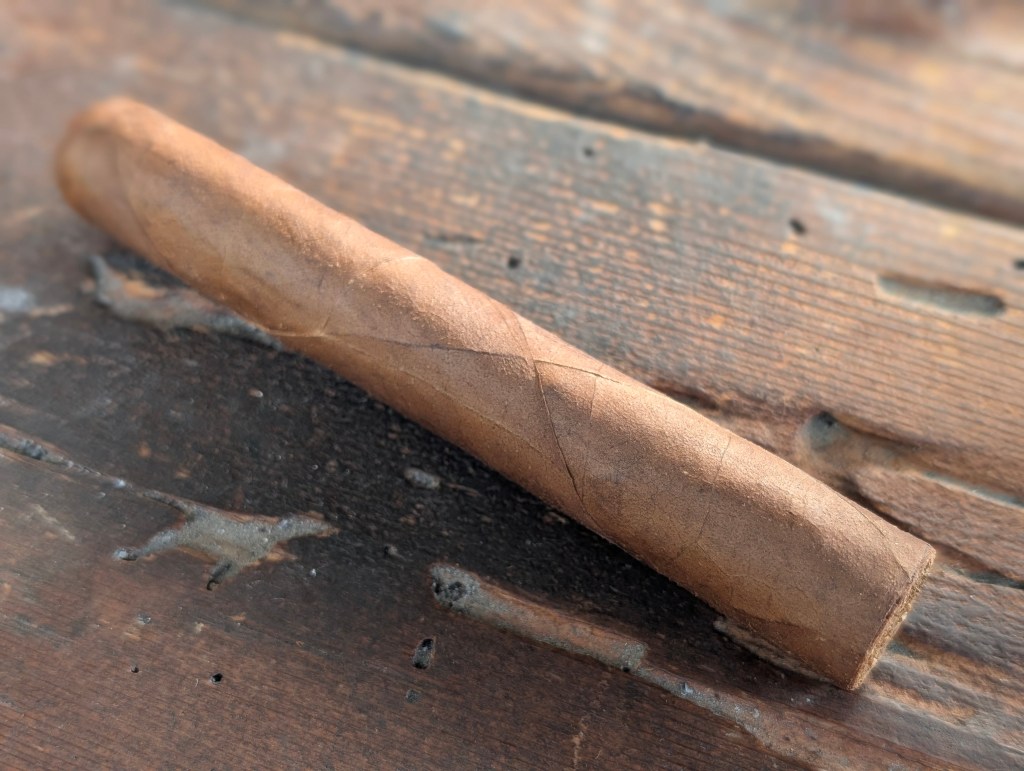
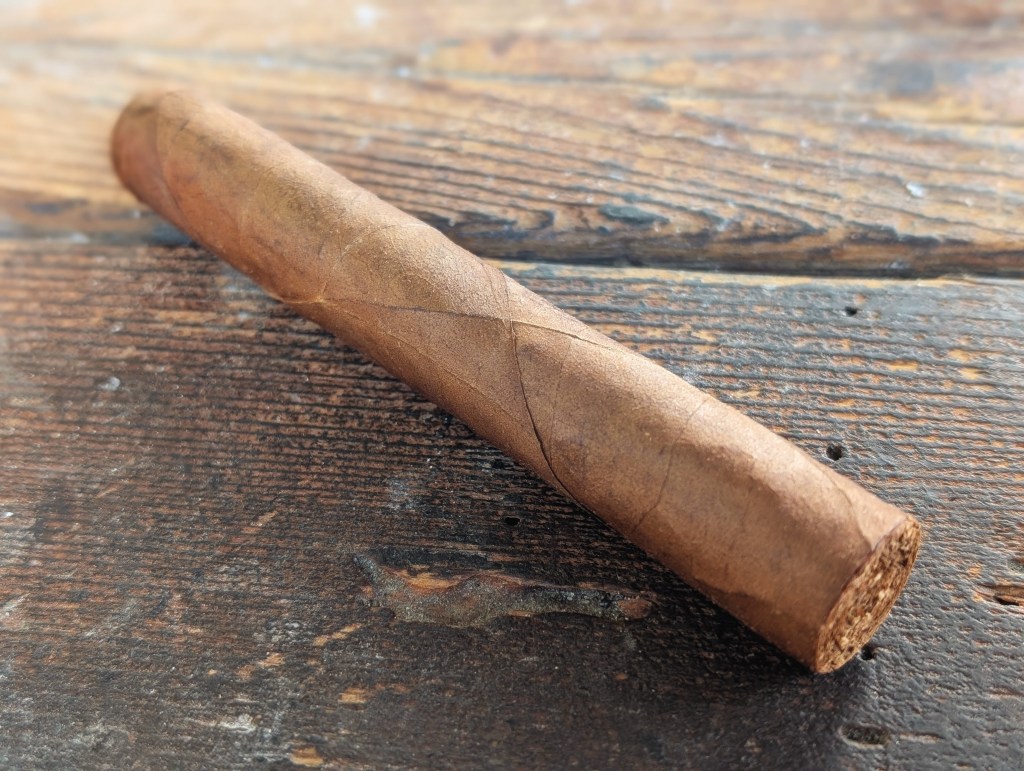
Pre-light, the No. 2 doesn’t give much away. A little barnyard. Some hay. A fruity sweetness that leans toward fresh-cut nectarine.
At ignition, the first impression is more direct—charred cedar, green peppercorn, black pepper—but it’s just as unrevealing.
Then the cigar settles in, and everything changes.
The smoke turns thick and white, almost creamy, and underneath it a core begins to take shape. Unsweetened cocoa powder leads. Espresso sits right behind it. There’s molasses, charred oak, and just a touch of black pepper. It’s dark, but not dense or heavy. And most importantly, it’s articulate. Everything is placed with intent, and nothing feels wasted.
Once that core is locked in, the cigar starts to behave differently. Not by shifting direction, but by allowing things to accumulate.
Flavors begin to appear on top of the foundation—cedar, stone fruit, green peppercorn, malt, toffee, roasted nuts. They arrive one at a time, settle in, and linger. But they never replace what’s underneath.
Red pepper spice frames the entire profile. It doesn’t dominate, but it defines the edges of the experience. It’s a familiar move if you’ve spent time with AJ Fernandez blends—structure first, then control the space around it.
By the halfway point, I feel like the cigar has everything it needs. The green peppercorn integrates into the core. The red pepper spice softens and becomes more ambient. Strength ticks up to medium-plus. And then suddenly, the profile turns.
It becomes savory.
Grilled steak. A honey-like sweetness that rounds it out. The malt deepens into something closer to a beer malt, slightly sour, adding texture rather than contrast. The roasted nuts resolve into peanuts in the shell. Everything feels more grounded.
It wasn’t until I finished the cigar that I understood what it had been doing the entire time.
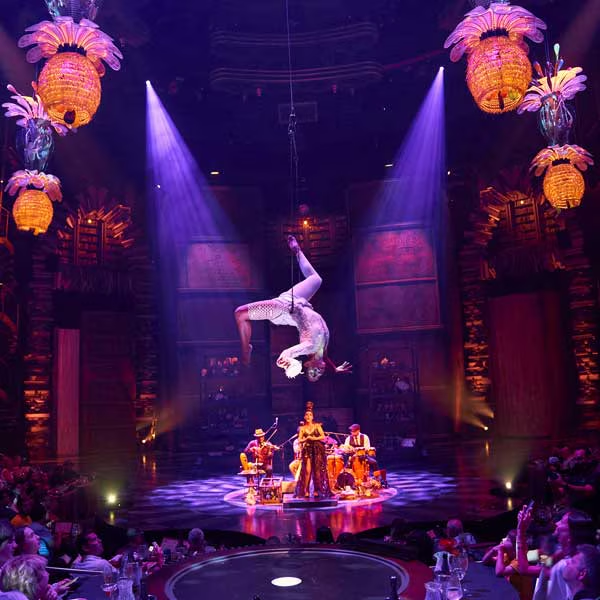
It felt like Cirque du Soleil was setting up in town.
Early on, everything arrived in pieces. The equipment got unloaded. Structures went up. Elements were laid out, organized, and put into place. You could see what’s coming, but it hadn’t started yet.
By the home stretch, the tent is up.
Everything is in position. The performers are ready.
This is the best part of the experience.
The spice recedes almost completely, like the house lights going down. And then the cigar opens up.
The strength pushes to full. The flavors stop arriving one at a time and start appearing in combinations. Some show up as quick spikes. Others rise, circle the profile, and fade. There’s motion everywhere, but it never feels chaotic—coordinated and intentional. Choreographed.
Like watching multiple acts perform at once—trapeze artists overhead, contortionists on the floor, something happening in every direction. You can’t focus on just one thing because the entire system is active, everything moving in sync.
And through all that activity, the core—the main tent—never wavers.
As the cigar winds down, the show ends. The performers leave the stage. The spice returns, like the house lights coming back up. And what remains is the tent—the structure that made everything possible in the first place. It smokes like that all the way to the nub.
This is a cigar I was never in a rush to understand. I knew I liked it, and that was enough. It earned its place in my rotation without needing to explain itself.
Now that I understand what it’s doing, I find myself appreciating it even more.
Total smoke time (average): 1:15-1:30





Leave a comment