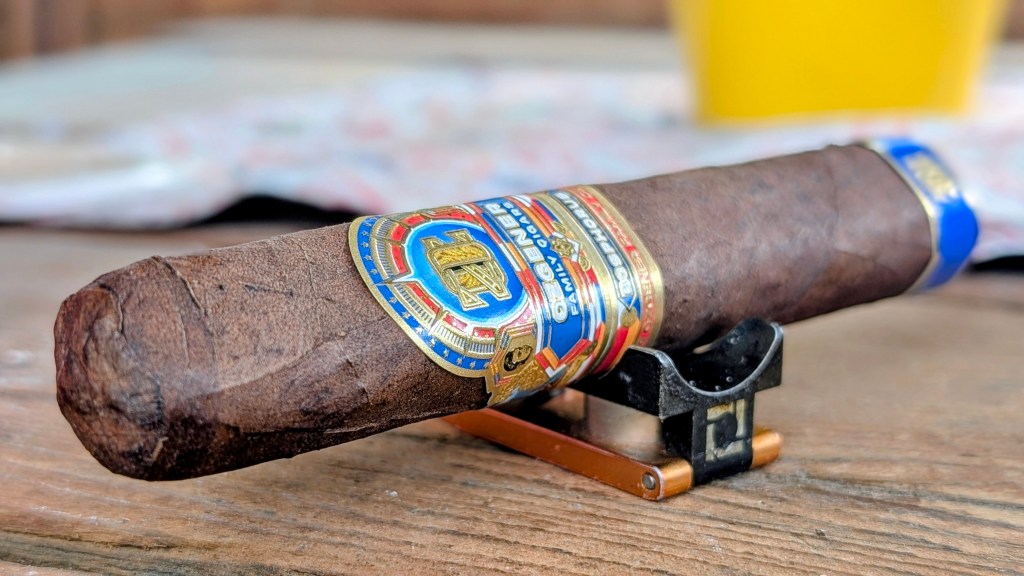
Wrapper: Ecuador Habano 2000
Binder: Ecuador CT Shade, Nicaragua
Filler: Nicaragua
Size: Toro (6 x 52)
Strength: Medium+
Price: ~$14.00 (varies by retailer)
Release: Early Bosphorus line (pre-Sumatra version)
Blender: Tim Ozgener/EP Carrillo
Factory: Tabacalera La Alianza (Ernesto Perez-Carrillo)
Experience Rating: 95
This is not to be confused with the Bosphorus B-52, which tends to come up in search. The B-52 has a Sumatra wrapper. This is the original version that uses the Habano 2000 wrapper. They're totally different cigars.
I had this cigar five times before I ever sat down to review it, and each time I walked away from it a little unsure. I admit that I didn’t understand it because it simply didn’t line up with what I thought it was supposed to be.
On paper, it made sense. Habano 2000 wrapper, Nicaraguan filler—you start forming a picture before you even light it. You expect a certain kind of profile, a certain kind of movement. A little lift. Some spice that shows you where things are going. Maybe a thread of sweetness to keep it all together.
None of that showed up.
So I blamed the cigar. Then I blamed my palate. Then I set it aside.
I went looking for other perspectives to see if I had missed something. There weren’t many, and the ones I did find only added to the confusion. One review described a sweet profile—cocoa powder, coffee, nutmeg, marzipan—which pointed me in a completely different direction than what I had experienced. That kind of description suggests warmth and accessibility, but that wasn’t what this cigar was doing.
There was nothing sweet about it. What I found instead was a cigar rooted in savory, earthy character from the start. It was musty, grounded, and dry rather than lifted or expressive.
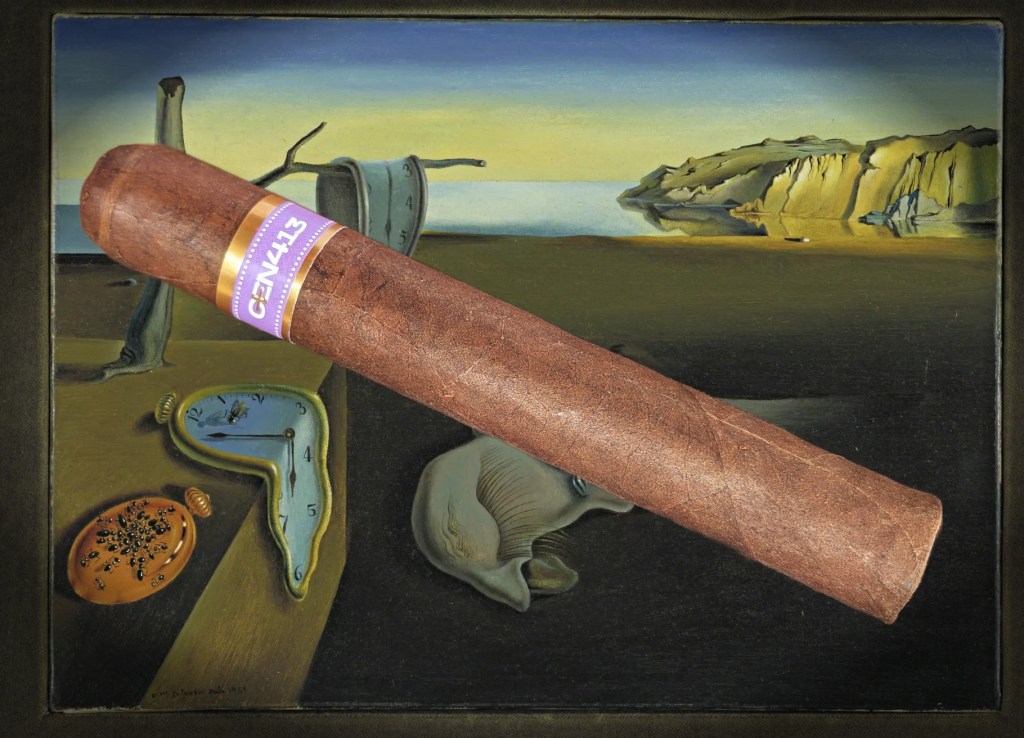
The broader feedback wasn’t particularly positive either, but it felt less like a problem with the cigar and more like a mismatch in understanding. I went through the same process, and it took me five cigars to finally see what it was doing. It was like the GEN 413 in that way—something that doesn’t reveal itself until you stop trying to force it into a familiar shape.
And that’s when it clicked.
I could see exactly why this cigar would throw people off. Once I stopped looking for what it wasn’t doing, I started seeing what it was doing.
As with the GEN 413, the cigar didn’t change. My perspective did.
So I lit it again, this time paying attention.
Even before lighting it, there is a sense of familiarity about it, but nothing that points to where it is going. The wrapper carries a barnyard note, a little hay, and something that suggests sweetness. The cold draw follows that same line. A little toasted bread, a musty quality underneath it. Nothing expressive. Nothing trying to pull you in.
Then I light it, and the cigar immediately signals that it isn’t going to be your typical bright, spicy Ecuadorian Habano. It forms a dark core right away—earthy, musty, grounded. Cacao shows up immediately, bitter, like chewing on a cacao nib, with a hint of umami on the back end. Spice is present. I can feel it. But it doesn’t integrate with the core. It hovers above everything else, circling without ever becoming part of it, as if it can’t decide whether to join the party.
At this point, the cigar doesn’t stand up to announce its presence. It simply arrives.
As it settles in, the core is fully established: earth, mustiness, chalk, bitter cacao, and a lean‑meat texture. Around that core, flavors begin to orbit: bay leaf, red pepper spice, umami flickers, toasted bread, deeply toasted hazelnut, and the occasional, indistinct sweetness that feels more like aromatic lift than sugar.
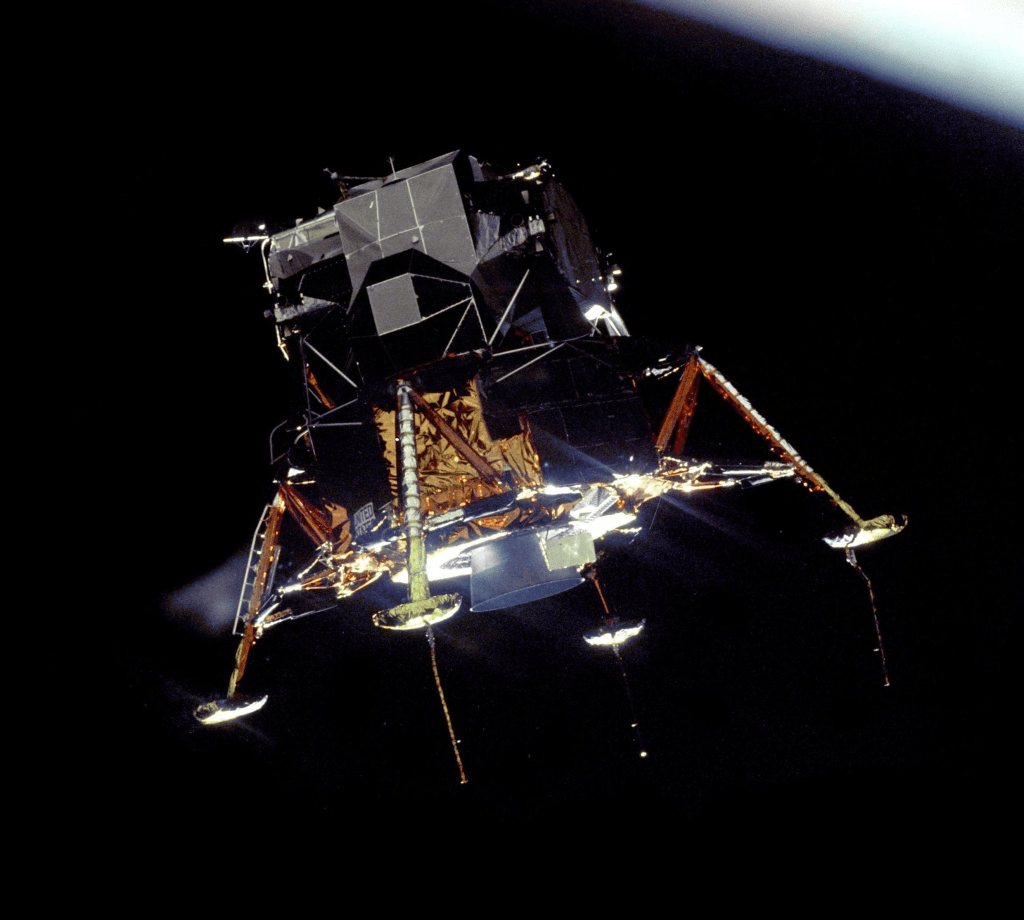
It feels like the cigar is simply gliding, and I catch myself thinking, “Not much is happening,” even though I know there’s nothing idle about it. There is a quiet internal energy in the way it moves, a kind of controlled drift that pulls me in. It reminds me of the final scenes in First Man, when the lunar module descends toward the moon’s surface. Outside: total silence. Inside: controlled chaos.
And in that moment, the whole system snaps into focus. The cigar isn’t drifting, it’s executing something precise, and I finally understand the intent behind its motion. Despite the lack of overt flavor activity, I find myself pulled in even deeper.
At the halfway mark, not much changes, but I am still fully engaged, sensing something gathering itself. The cigar starts giving off hints of impending activity. Spice asserts itself more clearly. The core rearranges: the mustiness moves back, the bitter cacao steps forward, and the hazelnut finally stops orbiting and locks into the structure.
Then, in the final third, everything starts to come into focus. It isn’t a sudden shift. It is more like a gravitational acceleration, like the lander beginning its final approach. The spice moves forward, but stays tethered to the core.
The core itself darkens and takes on a more charred quality. Bay leaf disappears entirely. Impressively, the profile remains articulate, not collapsing into a dense, muddy mass.
Complexity suddenly arrives as percussive hits, not flickers—pronounced, explicit bursts that appear and fade quickly:
Vanilla extract (not sweet).
Black pepper.
Malt.
Bay leaf.
Habanero.
Deeply charred cedar.
Like thruster bursts, firing to control the descent.
Then espresso takes over the core. Not café‑style espresso with crema and implied sweetness, but ristretto. Short, dense, bitter, roasted, concentrated. The integration isn’t subtle; it is decisive.
Amazingly, all of this is happening at a medium+ strength level. Nicotine has been rising slowly, almost imperceptibly, throughout the smoke. For most of the cigar, it is barely detectable, but in the home stretch, it finally makes itself known. The meaty quality becomes more prominent, reinforcing the savory, roasted, unsweet character of the profile.
The last inch is all about convergence. Everything comes together. There is no longer a core with flavors circling it; the profile is complete and unified. The only things that change are in intensity, though spice maintains its trajectory. And still, the cigar remains impressively articulate, even this late. It feels like retro rockets on full, stabilizing the landing.
There is only one way to describe the nub: the eagle has landed.
The more I think about it, the more the lunar lander metaphor feels exactly right for this cigar. It goes into orbit, moves toward its landing site, and for a long stretch, it seems like not much is happening. Then, as it nears the surface, gravity takes over, acceleration increases, and the thrusters fire in controlled bursts. Those late‑stage flavor hits—vanilla extract, malt, habanero, charred cedar—are the course corrections. The final ristretto‑driven core is touchdown.
The OZ Family Bosphorus B52 is a cigar that rewards patience and attention—steady hands, steady focus, and a willingness to trust the descent.




Leave a comment